
Breathable Blankets Add 26 Minutes of Sleep Nightly
If you wake up sweaty and restless, you're not alone. Research shows switching to breathable bedding can increase total sleep time by 26 minutes on average and improve sleep quality scores by 1.9 points. Breathable weighted blankets combine calming pressure with temperature control, offering a powerful solution for hot sleepers and those battling insomnia. This guide explains how breathable blankets work and helps you choose the right one.
Table of Contents
- Understanding Thermoregulation In Sleep
- How Breathable Blankets Manage Heat And Moisture
- Optimal Materials For Breathable Weighted Blankets
- Common Misconceptions About Cooling And Breathability
- Scientific Evidence Of Breathable Blankets Improving Sleep Quality
- Maintaining Breathability And Longevity Of Weighted Blankets
- Choosing The Right Breathable Weighted Blanket For You
- Explore Soft-Rest's Breathable Weighted Blankets
- Frequently Asked Questions
Key Takeaways
| Point | Details |
|---|---|
| Temperature Regulation | Breathable blankets enable airflow and moisture wicking to maintain stable body temperature during sleep. |
| Proven Sleep Benefits | Studies show 26 minutes more sleep, 1.9 point quality improvement, and 42% fewer night sweats. |
| Best Materials | Cotton, bamboo viscose, and Tencel offer superior breathability and cooling compared to synthetics. |
| Marketing Myths | Many 'cooling' blankets lack real breathable fabrics and provide only temperature neutral comfort. |
| Maintenance Matters | Gentle washing and air drying preserve breathability and extend fabric performance by 30%. |
Understanding Thermoregulation in Sleep
Your body's core temperature naturally drops by about two degrees at night to signal sleep onset. This cooling process is essential for entering deep and REM sleep stages, where your body repairs tissue and consolidates memories. When non-breathable bedding traps heat and moisture around your skin, it disrupts this natural temperature drop and triggers awakenings.
Breathable blankets facilitate thermoregulation by enabling airflow, helping maintain a stable core temperature critical for deep sleep stages. Think of your blanket as a climate control system. Poor ventilation creates a humid microclimate between your skin and the fabric, similar to sleeping in a sealed plastic bag. This forces your body to work overtime pumping blood to the skin surface to cool down, which increases heart rate and prevents deep relaxation.
Key factors in sleep thermoregulation:
- Core body temperature must drop 1 to 2 degrees for sleep initiation
- Heat and moisture trapped by bedding delay or prevent this cooling
- Breathable fabrics allow continuous heat and vapor escape
- Stable temperature reduces micro-awakenings throughout the night
"Maintaining thermal comfort through breathable bedding is one of the most underappreciated factors in sleep quality. When your body doesn't have to fight temperature fluctuations, you spend more time in restorative sleep stages."
When choosing your weighted blanket weight, remember that pressure and breathability work together. The calming effect of deep pressure stimulation only helps if you're comfortable enough to stay asleep. More research on thermoregulation shows temperature control is as important as the weighted pressure itself.
How Breathable Blankets Manage Heat and Moisture
Night sweats and overheating don't just happen randomly. They're often caused by moisture buildup between your skin and bedding. When sweat can't evaporate, it saturates the fabric and creates a clammy, uncomfortable feeling that jolts you awake. This cycle repeats throughout the night, fragmenting your sleep and leaving you exhausted.
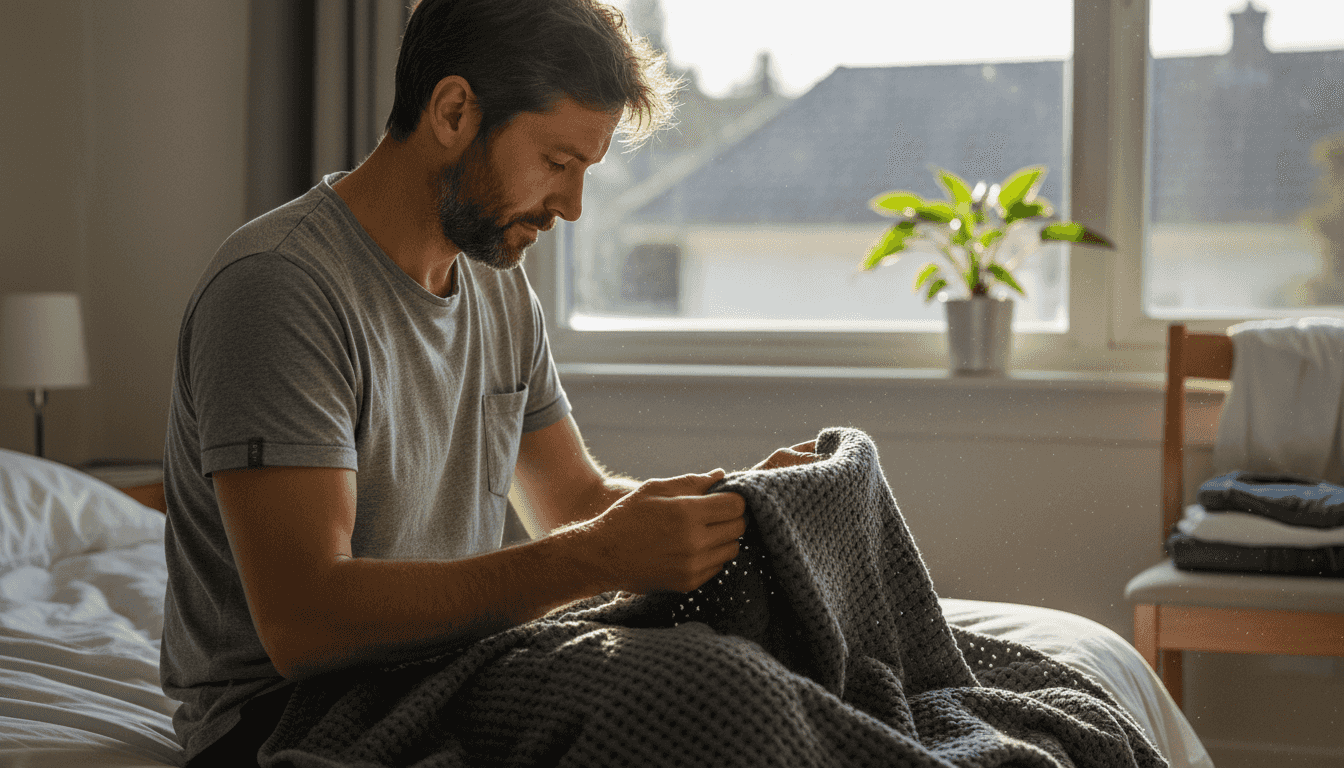
Structural ventilation happens when fabric weave allows air to flow through freely. Natural fibers like cotton have an open structure that creates tiny channels for heat to escape. Unlike synthetic materials that form a sealed barrier, breathable fabrics act like a screen door, letting warm air out while keeping the weighted comfort in.
Active moisture transport involves fabric fibers that physically pull sweat away from your skin. Materials like bamboo viscose and Tencel have a higher moisture regain rate than cotton, meaning they absorb more water vapor before feeling damp. This keeps your skin surface drier and more comfortable.
How breathable blankets control temperature:
- Open weave structure allows continuous air circulation
- Moisture-wicking fibers pull sweat away from skin surface
- Rapid evaporation prevents saturation and clamminess
- Lower skin humidity reduces heat sensation and discomfort
Think of it like the difference between a cotton t-shirt and a plastic raincoat during exercise. The cotton breathes and wicks, keeping you relatively comfortable. The raincoat traps everything, creating a swampy environment that feels unbearable.
When choosing your weighted blanket, look for explicit mentions of moisture-wicking technology. Expert reviews consistently rank blankets with active moisture management higher for hot sleepers than those with simple cotton covers.
Optimal Materials for Breathable Weighted Blankets
Not all fabrics are created equal when it comes to temperature regulation. The material touching your skin makes the biggest difference in whether you sleep cool or wake up overheated. Let's compare the top performers.
Cotton remains the gold standard for natural breathability. Its hollow fiber structure allows excellent air permeability while staying durable through hundreds of washes. Cotton absorbs moisture readily and releases it through evaporation, though not as efficiently as newer plant-based fibers.
Bamboo viscose offers superior moisture absorption, up to 40% more than cotton according to textile research. It also has natural antimicrobial properties that prevent odor buildup. The silky smooth texture feels luxurious against skin, making it popular for sensitive sleepers.
Tencel (lyocell) provides the strongest cooling effect of natural fibers. Made from sustainably harvested eucalyptus, Tencel fibers have a unique nanostructure that manages moisture exceptionally well. The fabric stays noticeably cooler to the touch than cotton or bamboo.
| Material | Air Permeability | Moisture Absorption | Cooling Effect | Durability |
|---|---|---|---|---|
| Cotton | High | Good | Moderate | Excellent |
| Bamboo Viscose | High | Excellent | Good | Good |
| Tencel | Very High | Excellent | Very Good | Good |
| Synthetic Polyester | Low | Poor | Poor | Excellent |
| Advanced Cooling Fibers | High | Excellent | Outstanding | Good |
Pro Tip: When testing blanket materials, place your hand underneath the fabric and breathe warm air onto it. With breathable materials, you'll feel the warmth pass through quickly. With non-breathable synthetics, heat gets trapped on the surface.
The right material depends on your specific needs. If you're a moderate hot sleeper, our King Cooling Weighted Blanket with bamboo viscose offers excellent temperature control. For severe night sweats, consider our Queen Cooling Weighted Blanket featuring advanced cooling fibers.
Balancing weighted pressure with breathable fabric is crucial. A heavy blanket made from non-breathable polyester will trap heat regardless of weight distribution. Compare breathable options carefully and read about specific cooling technologies before purchasing.
Common Misconceptions About Cooling and Breathability
The weighted blanket market is flooded with cooling claims that don't hold up under scrutiny. Understanding these myths helps you avoid wasting money on products that won't improve your sleep.
Myth 1: All cooling blankets actually cool you down. Many marketed cooling weighted blankets lack specialized cooling fabrics and only offer temperature neutral comfort, misleading consumers. Temperature neutral simply means the blanket doesn't add extra warmth, not that it actively cools or enhances breathability. Look for specific fabric technologies, not vague marketing language.
Myth 2: Heavier blankets always make you hotter. Weight distribution has minimal impact on temperature compared to fabric breathability. A 25-pound blanket made from breathable bamboo will sleep cooler than a 15-pound polyester blanket. The pressure from weight doesn't generate heat; trapped air and moisture do.
Myth 3: Synthetic fabrics can breathe as well as natural fibers. While some advanced synthetics perform adequately, most polyester and microfiber fabrics have inferior breathability compared to cotton, bamboo, or Tencel. The tight weave and non-absorbent nature of standard synthetics create a barrier to airflow and moisture transfer.
Red flags when shopping:
- "Cooling" claims without specific fabric details
- Polyester or microfiber covers marketed as breathable
- No mention of moisture-wicking properties
- Focus only on weight without discussing temperature regulation
Pro Tip: Request fabric composition details before buying. Legitimate breathable weighted blankets will proudly list their natural fiber content and cooling technologies. If a company is vague about materials, that's a warning sign.
When you're ready to choose your weighted blanket, prioritize verified breathable materials over marketing buzzwords. Read reviews from hot sleepers specifically, not just general comfort ratings. Learn more about distinguishing real cooling fabrics from marketing hype.
Scientific Evidence of Breathable Blankets Improving Sleep Quality
The benefits of breathable bedding aren't just anecdotal. Controlled studies provide quantified evidence that switching to breathable materials significantly improves sleep outcomes for hot sleepers.
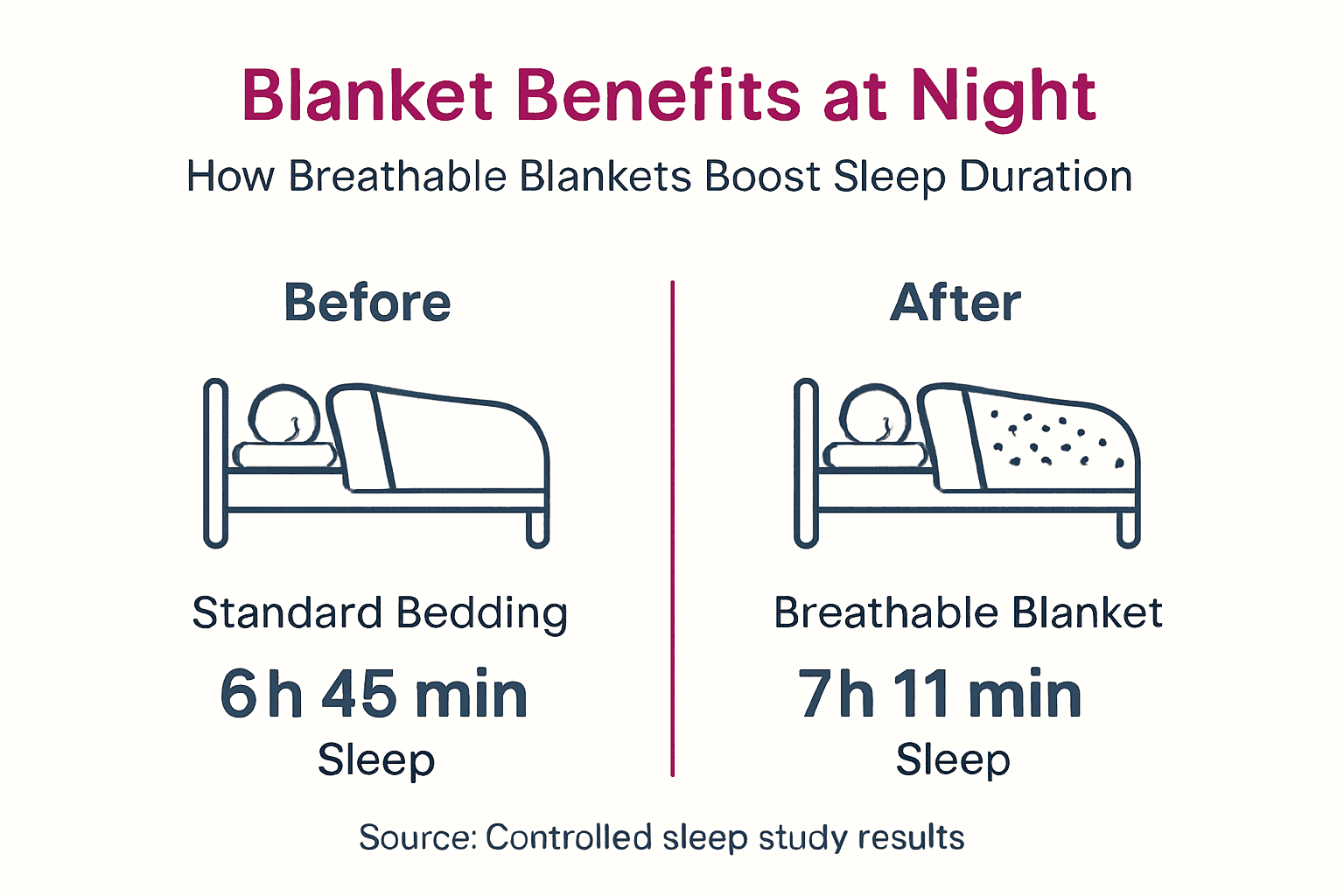
A comprehensive sleep study tracked participants who switched from standard bedding to breathable alternatives. Studies report improvements in Pittsburgh Sleep Quality Index by 1.9 points, sleep duration increased by 26 minutes, and night sweats reduced from 82.5% to 39.7% after switching to breathable bedding.
| Sleep Metric | Before Breathable Bedding | After Breathable Bedding | Improvement |
|---|---|---|---|
| Total Sleep Time | 6.1 hours | 6.5 hours | +26 minutes |
| Sleep Quality Score | 8.2 | 6.3 | +1.9 points |
| Night Sweat Frequency | 82.5% | 39.7% | 42.8% reduction |
| Sleep Continuity | 72% | 89% | +17% |
These improvements translate to real wellness benefits. An extra 26 minutes of sleep per night adds up to nearly three hours per week. Over a year, that's equivalent to gaining back six full nights of sleep just by changing your bedding material.
The reduction in night sweats is particularly significant. Participants reported feeling more refreshed upon waking and experiencing fewer middle-of-the-night disruptions. Sleep continuity improved because stable temperature prevented the micro-awakenings that fragment rest.
"The data clearly shows breathable bedding isn't a minor comfort upgrade, it's a measurable intervention that improves multiple sleep quality markers simultaneously."
For individuals with insomnia, these improvements can be transformative. Better sleep continuity helps reset circadian rhythms and reduces anxiety around bedtime. When selecting your weighted blanket, remember that combining deep pressure stimulation with temperature regulation creates a synergistic effect.
More research on breathable bedding continues to validate these findings across different climates and sleeper types. The evidence strongly supports prioritizing breathability when choosing sleep products.
Maintaining Breathability and Longevity of Weighted Blankets
Even the best breathable weighted blanket will lose its cooling properties without proper care. Fabric structure and moisture-wicking capabilities degrade when exposed to harsh washing conditions or improper storage. Follow these maintenance practices to preserve performance.
-
Wash on gentle cycles with cool water. High heat and aggressive agitation damage fiber structure and reduce air permeability. Use mild detergent without added fragrances or dyes that can coat fibers.
-
Never use fabric softener or dryer sheets. These products deposit a waxy layer on fabrics that blocks moisture-wicking pathways. Your blanket will feel softer temporarily but lose breathability permanently.
-
Air dry whenever possible. Machine drying at high temperatures can shrink natural fibers and damage cooling treatments. Hang your blanket outdoors or lay flat indoors with good air circulation.
-
Air out your blanket weekly. Drape it over a chair or railing for several hours to release accumulated moisture. This prevents mildew growth and odor buildup that reduce freshness.
-
Store in breathable bags. Avoid plastic storage containers that trap moisture. Use cotton storage bags or simply fold your blanket in a dry closet with good ventilation.
Watch for signs your blanket needs replacement. If it no longer feels cool to the touch, takes longer to dry after washing, or develops persistent odors, the fabric structure may be compromised. Most quality breathable weighted blankets last three to five years with proper maintenance.
For specific care instructions, check out our weighted blanket care guide. Different materials have unique needs, so following manufacturer recommendations protects your investment. Learn more about maintaining fabric breathability for long-term performance.
Choosing the Right Breathable Weighted Blanket for You
With so many options available, selecting the perfect breathable weighted blanket requires matching product features to your specific sleep challenges. Use this framework to narrow your choices and find your ideal match.
Step 1: Assess your temperature issues. Do you wake up slightly warm or drenched in sweat? Mild hot sleepers do well with cotton or bamboo viscose. Severe night sweats require advanced cooling fibers like Tencel or Arc-Chill technology.
Step 2: Consider your sensitivity level. If you have sensitive skin or allergies, prioritize natural fibers with antimicrobial properties. Bamboo viscose and organic cotton offer hypoallergenic benefits while maintaining breathability.
Step 3: Balance weight and breathability. Use the standard formula of 10% of your body weight for the blanket. Then verify the material is genuinely breathable. A properly weighted breathable blanket provides calming pressure without overheating.
Step 4: Check construction quality. Look for blankets with small pocketed compartments that prevent filling migration. Evenly distributed weight combined with breathable fabric creates optimal comfort. Avoid blankets with large stitched sections that create hot spots.
Step 5: Review return policies. Since temperature tolerance is personal, choose retailers offering trial periods. This lets you test whether a specific material and weight combination works for your body.
Key shopping priorities:
- Natural breathable fabrics (cotton, bamboo, Tencel) over synthetics
- Verified cooling technologies with specific temperature reduction claims
- Appropriate weight based on body size and comfort preference
- Quality construction with secure stitching and even fill distribution
- Generous return policy for risk-free testing
Pro Tip: Order your breathable weighted blanket before summer when selection is best and prices are competitive. This gives you time to adjust and ensures you have optimal sleep conditions when temperatures rise.
Our comprehensive buying guide walks through weight selection, size options, and material comparisons in detail. For couples or larger beds, explore our king cooling weighted blanket. Individuals seeking targeted pressure can try our queen cooling option. Smaller spaces work perfectly with our throw weighted blanket featuring breathable quilted construction.
Explore Soft-Rest's Breathable Weighted Blankets
Now that you understand how breathable blankets improve sleep quality, it's time to experience the difference yourself. Soft-Rest specializes in weighted blankets that combine therapeutic pressure with temperature-regulating fabrics designed specifically for hot sleepers and those with insomnia.
Our weighted blankets collection features premium natural fibers and advanced cooling technologies that maintain stable temperature throughout the night. Each blanket provides the calming benefits of deep pressure stimulation without the overheating that disrupts sleep. Whether you need a king cooling weighted blanket for your master bedroom or a cozy throw option for your reading nook, we offer breathable solutions in multiple sizes and weights. Free shipping on orders over $70 and our straightforward return policy make finding your perfect sleep companion risk-free.
Frequently Asked Questions
Can I use a breathable weighted blanket if I sweat heavily at night?
Yes, breathable weighted blankets with fabrics like bamboo viscose and Tencel are specifically designed to help heavy sweaters. These materials actively wick moisture away from your skin and enable rapid evaporation, keeping you dry throughout the night. Studies show night sweat frequency drops by over 40% when switching to breathable bedding, making them an excellent choice for severe perspiration issues.
Does the weight of a blanket affect its breathability?
Blanket weight itself doesn't cause overheating; fabric selection determines temperature regulation. A heavy blanket made from breathable natural fibers will sleep cooler than a lighter blanket with synthetic non-breathable materials. Focus on the fabric composition first, then choose appropriate weight based on your body size for optimal pressure and comfort.
How do I maintain the breathability of my weighted blanket?
Use gentle wash cycles with cool water and avoid fabric softeners that coat fibers and block moisture pathways. Air drying preserves fabric structure better than machine drying at high heat. Regular airing between washes prevents moisture accumulation that reduces breathability over time. Following these care guidelines can extend your blanket's cooling performance by 30%.
Are synthetic fabrics as breathable as natural fibers for weighted blankets?
Natural fibers like cotton and bamboo viscose generally offer superior moisture-wicking and air permeability compared to standard synthetics. Most polyester and microfiber fabrics trap heat and moisture due to their tight weave and non-absorbent properties. While some advanced synthetic cooling technologies perform adequately, natural fibers remain the gold standard for breathability and temperature regulation in weighted blankets.
How long does it take to notice sleep improvements with a breathable weighted blanket?
Most people experience noticeable improvements within the first week of using a breathable weighted blanket. Research participants reported better sleep quality and reduced night sweats after just a few nights. However, your body may need one to two weeks to fully adjust to the weighted pressure and temperature regulation. Give yourself at least 14 days of consistent use before evaluating whether a specific blanket meets your sleep needs. Check our selection guide to ensure you've chosen the right weight and material for your situation.